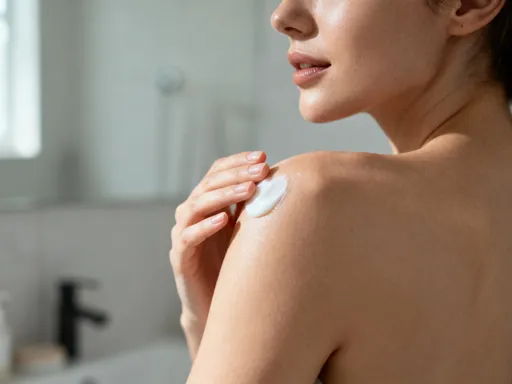
Glowing Skin Starts Here: My Real Routine for Healthy, Clear Skin
Ever feel like your skin just won’t cooperate, no matter what you try? I’ve been there—redness, breakouts, dullness. What changed wasn’t a miracle product, but how I managed my skin as part of my overall health. This isn’t about quick fixes; it’s about daily choices that add up. Let me walk you through the simple, science-backed steps that finally gave me the clear, glowing skin I’d always wanted. It started with understanding that my face wasn’t the problem—my habits were. Once I shifted my focus from covering flaws to supporting my skin’s natural function, everything began to change.
The Skin-Health Connection: Why Your Face Reflects Your Lifestyle
Skin is the body’s largest organ, and it functions as a visible indicator of internal well-being. Unlike other organs hidden from view, the skin broadcasts the state of our digestion, hormone balance, hydration levels, and immune response. When inflammation is high, it often shows up as redness, puffiness, or uneven texture. When nutrient deficiencies occur, skin can become dry, flaky, or slow to heal. Recognizing this connection was the first turning point in my journey. I stopped seeing my face as a separate project and started viewing it as a reflection of how I was treating my whole body.
Hydration plays a foundational role. Without adequate water intake, skin loses elasticity and appears tired. But hydration isn’t just about drinking eight glasses a day—it’s about how well the body retains and uses water at the cellular level. Electrolyte balance, kidney function, and even salt intake influence this process. Digestion is equally important. A sluggish digestive system can lead to toxin buildup, which the body may attempt to eliminate through the skin, contributing to breakouts and congestion. This is why bloating and acne often appear together—what happens in the gut doesn’t stay in the gut.
Sleep completes this internal triad. During deep rest, the body repairs damaged cells, including those in the skin. Growth hormone release at night supports collagen production, which keeps skin firm and resilient. Without sufficient restorative sleep, this repair cycle slows, leading to dullness and increased signs of aging. The idea that skincare begins with creams is a common misconception. While topical products have their place, they work best when supported by strong internal health. Think of skincare like gardening: no amount of surface polishing will help if the soil beneath is depleted.
Spotting Your Skin’s Real Struggles: Beyond Acne and Dryness
Most women are familiar with the frustration of breakouts or dry patches, but these are often symptoms of deeper imbalances. Inflammation, for instance, can manifest subtly—persistent redness across the cheeks, sensitivity to products that once worked, or a feeling of tightness without visible flaking. These signs suggest that the skin’s barrier is compromised. The outermost layer of skin, known as the moisture barrier, acts like a shield. When it’s damaged by over-cleansing, environmental stressors, or internal inflammation, it becomes more vulnerable to irritants and less able to retain water.
Hormonal shifts are another powerful but often overlooked factor. Fluctuations in estrogen and progesterone, especially around menstruation or perimenopause, can trigger oil production changes and increased reactivity. Stress amplifies this effect by raising cortisol levels, which in turn stimulates sebum glands and suppresses immune function in the skin. This creates a perfect storm for flare-ups, particularly along the jawline and chin—areas dense with hormone-responsive follicles. Recognizing this pattern helped me stop blaming myself for “bad skin days” and instead look for the underlying cause.
It’s also important to distinguish between temporary irritation and chronic conditions. Occasional dryness due to weather changes is normal and manageable. But if redness, itching, or scaling persist despite gentle care, it may signal an internal issue such as food sensitivity, thyroid imbalance, or autoimmune activity. In such cases, consulting a healthcare provider is essential. Self-diagnosis can delay proper treatment, especially when symptoms overlap. The key is to observe patterns: does your skin worsen after certain meals? During high-stress weeks? With seasonal changes? Tracking these clues builds a clearer picture than any single product ever could.
Clean Eating for Clear Skin: What Actually Works
Nutrition is one of the most powerful tools for achieving lasting skin clarity. While no single food guarantees perfect skin, a diet rich in anti-inflammatory nutrients supports the skin’s natural healing and renewal processes. Leafy greens like spinach and kale are high in vitamins A and K, which help regulate cell turnover and strengthen capillary walls. Fatty fish such as salmon and mackerel provide omega-3 fatty acids, which reduce inflammation and support the skin’s lipid barrier. Berries, especially blueberries and strawberries, are packed with antioxidants that protect against free radical damage from sun exposure and pollution.
On the flip side, certain foods can sabotage even the most diligent skincare routine. Sugar and refined carbohydrates—found in white bread, pastries, and sugary drinks—cause rapid spikes in blood glucose. This triggers insulin release, which in turn increases androgen activity and sebum production. Studies have shown a clear link between high-glycemic diets and increased acne severity. For me, cutting back on afternoon snacks like cookies and switching to nuts or fruit made a noticeable difference within three weeks. The change wasn’t overnight, but the reduction in mid-month breakouts was undeniable.
Simple meal swaps can make a big impact without requiring a complete diet overhaul. Instead of cereal for breakfast, I now choose oatmeal topped with chia seeds and fresh berries. Lunch often includes a large salad with grilled chicken or lentils, dressed in olive oil and lemon—ingredients that nourish both body and skin. Dinner might be baked fish with roasted sweet potatoes and steamed broccoli. These meals keep blood sugar stable, provide essential nutrients, and reduce systemic inflammation. The result? Fewer flare-ups, more even tone, and a natural glow that no highlighter can replicate.
Hydration Habits That Go Beyond Drinking Water
Drinking water is essential, but it’s only one piece of the hydration puzzle. Many women drink plenty of water yet still struggle with dry or tight skin. Why? Because hydration isn’t just about intake—it’s about retention. The skin’s ability to hold moisture depends on compounds like hyaluronic acid and ceramides, which are influenced by diet, age, and overall health. Without these components, water passes through the body too quickly to benefit the skin.
To improve cellular hydration, I began incorporating water-rich foods into every meal. Cucumbers, celery, watermelon, oranges, and tomatoes all have high water content and contain natural electrolytes like potassium and magnesium. These minerals help regulate fluid balance inside and outside cells, making hydration more effective. I also started paying attention to the timing of my water intake. Drinking a full glass first thing in the morning jumpstarts metabolism and rehydrates after hours without fluids. Sipping throughout the day prevents dehydration, while avoiding large amounts right before bed reduces nighttime disruptions.
My morning routine now includes warm lemon water, which gently stimulates digestion and provides a small dose of vitamin C—an antioxidant that supports collagen synthesis. Herbal teas like chamomile and rooibos offer additional benefits without caffeine’s dehydrating effect. I’ve also learned that electrolyte balance matters, especially during warmer months or after exercise. A pinch of high-quality sea salt in water or a serving of coconut water helps maintain mineral levels, which in turn supports skin plumpness and resilience. These small habits, practiced consistently, have transformed my skin from chronically dry to consistently supple.
Sleep & Stress: The Silent Game-Changers for Radiance
Sleep and stress are deeply intertwined, and both have a profound impact on skin health. When sleep is poor or inconsistent, the body produces more cortisol, the primary stress hormone. Elevated cortisol increases oil production, weakens the skin barrier, and slows healing—creating conditions ripe for breakouts and sensitivity. Even one night of disrupted sleep can show up the next morning as puffiness, dark circles, or a sallow complexion. Over time, chronic sleep deprivation accelerates visible aging by reducing collagen and impairing skin repair.
Stress, whether from work, family, or internal pressure, acts similarly. It doesn’t just affect mood—it triggers physiological responses that show up on the skin. The “fight or flight” response diverts blood flow away from the skin to vital organs, depriving it of oxygen and nutrients. This leads to a dull, lifeless appearance. Additionally, stress can disrupt gut health, which, as previously discussed, directly influences skin clarity. Managing stress isn’t a luxury—it’s a necessary part of skincare.
Practical strategies have made all the difference. I’ve committed to a digital detox an hour before bed, turning off screens that emit blue light and interfere with melatonin production. Instead, I read a book, practice gentle stretching, or do a short breathing exercise. Consistency in bedtime and wake time—even on weekends—has improved my sleep quality significantly. I’ve also come to appreciate the concept of the “skin repair window,” which occurs during deep sleep, typically between 10 p.m. and 2 a.m. While you don’t need to be asleep by 10 p.m. sharp, being in bed and winding down by that time supports optimal repair cycles. These changes didn’t fix everything overnight, but over months, my skin became calmer, clearer, and more resilient.
Gentle Cleansing & Daily Protection: A No-Compromise Zone
The marketplace is full of aggressive skincare products promising fast results—exfoliating scrubs, alcohol-based toners, stripping cleansers. I used many of them, hoping for quick fixes. What I got instead was increased sensitivity, redness, and a cycle of over-drying followed by over-compensating with heavy creams. The turning point came when I learned that the skin’s natural pH is slightly acidic, around 5.5. Harsh products disrupt this balance, weakening the protective acid mantle and making skin more vulnerable to bacteria and irritation.
I switched to a gentle, non-foaming cleanser that removes dirt and oil without stripping moisture. I cleanse only once at night, unless I’ve been sweating heavily. In the morning, I rinse with lukewarm water only—no cleanser needed. This simple change allowed my skin’s barrier to recover. I also eliminated physical scrubs and switched to a soft washcloth when needed. Chemical exfoliants like lactic acid, used once or twice a week, are far more effective and less damaging than grainy scrubs that create micro-tears in the skin.
Equally non-negotiable is daily sunscreen use. Ultraviolet (UV) radiation is the leading cause of premature skin aging and contributes to uneven tone, dark spots, and loss of elasticity. What many don’t realize is that UV exposure happens even indoors—through windows—and on cloudy days. I now apply a broad-spectrum SPF 30 or higher every morning, regardless of plans. It’s become as routine as brushing my teeth. I choose formulas that double as moisturizers to simplify my routine. This habit alone has prevented new sun spots and kept my complexion even. My entire routine now consists of three core steps: cleanse, moisturize, protect. No serums, no peels, no gimmicks—just consistency and respect for my skin’s needs.
Tracking Progress & Staying Consistent: The Real Secret
One of the biggest challenges in any wellness journey is staying consistent when results aren’t immediate. Skin renewal takes time—typically four to six weeks for noticeable changes. Impatience can lead to product hopping, which only worsens sensitivity and delays progress. To stay on track, I began taking weekly photos under the same lighting and noting how my skin felt: was it tight? calm? oily in certain areas? This practice removed guesswork and helped me see subtle improvements I might have otherwise missed.
I also started journaling about lifestyle factors: sleep quality, stress levels, diet changes, and menstrual cycle phase. Over time, patterns emerged. I noticed that skin was clearest during weeks with consistent sleep and minimal sugar. It tended to flare during high-stress periods, even if I stuck to my routine. This awareness allowed me to adjust proactively—perhaps adding an extra night of early bedtime or skipping dessert during a busy week. Flexibility, not perfection, became the goal.
Building sustainable habits means avoiding burnout. I don’t aim for flawless skin every day. Instead, I focus on making choices that support long-term health. Some days, I skip makeup entirely and let my skin breathe. Other days, I enjoy a treat without guilt. The key is consistency over time, not perfection in the moment. I’ve learned to view skincare as self-care—an act of daily respect rather than a chore or punishment. This shift in mindset has made all the difference.
Skin Health as a Lifelong Practice
True skin wellness isn’t about chasing perfection—it’s about listening to your body, making small sustainable choices, and treating your skin with daily respect. This journey taught me that glowing skin isn’t luck; it’s the result of consistent, mindful care rooted in real health. The habits that transformed my skin weren’t complicated or expensive. They were simple, science-backed, and deeply connected to overall well-being. By focusing on hydration, nutrition, sleep, stress management, and gentle protection, I created a foundation that supports clear, resilient skin year after year.
Start where you are. You don’t need a full product lineup or a complete lifestyle overhaul. Pick one habit—drink more water in the morning, add a serving of greens to lunch, go to bed 30 minutes earlier—and build from there. Be patient. Skin change is slow, but it’s real. And when you finally see that natural glow emerge—not from makeup, but from health—you’ll understand that the best skincare isn’t something you buy. It’s something you live. Let your skin thrive, not because you’re fighting it, but because you’re finally supporting it.