Youth Mode Activated: How I Sped Up Recovery and Turned Back the Aging Clock
Aging doesn’t have to mean slowing down. After a minor injury left me feeling stiff and drained, I discovered that smart recovery habits don’t just heal the body—they also slow aging. What if healing faster could actually help you feel younger? Science shows that how we recover deeply impacts how we age. This is my journey into faster rehabilitation and the surprising anti-aging benefits I didn’t expect. It began not with a diagnosis, but with a simple realization: the way we treat our bodies during downtime may matter more than how we push them during peak activity.
The Hidden Link Between Recovery and Aging
At first glance, recovery and aging might seem like separate processes—one temporary, the other inevitable. But modern science reveals they are deeply intertwined. Every time the body repairs tissue, whether after a workout, a minor strain, or even an invisible stress response, it draws from the same biological systems that determine how we age over time. Central to this connection is inflammation. Acute inflammation is a natural and necessary part of healing, signaling the immune system to clean up damaged cells and initiate repair. However, when recovery is slow or incomplete, inflammation can become chronic—a silent driver of accelerated aging.
Chronic low-grade inflammation has been linked to a range of age-related changes, including joint stiffness, reduced skin elasticity, and diminished energy levels. It interferes with cellular regeneration, the process by which old or damaged cells are replaced with new, functional ones. One key player in this process is telomere health. Telomeres are protective caps at the ends of chromosomes that shorten with each cell division. Shorter telomeres are associated with aging and increased risk of degenerative conditions. Studies suggest that prolonged recovery periods and chronic stress can accelerate telomere shortening, effectively aging cells faster than chronological time would indicate.
Another misconception many people hold is that rest means doing nothing. In reality, passive rest—such as lounging for hours without movement or hydration—is far less effective than active recovery, which includes gentle motion, proper nutrition, and quality sleep. Pushing through pain or ignoring signals of fatigue may seem like resilience, but it often leads to longer downtime and greater wear on the body. The truth is, recovery isn’t a sign of weakness; it’s a biological necessity. When we support our body’s repair mechanisms, we’re not just healing an injury—we’re investing in long-term vitality.
Efficient healing also influences mitochondrial function. Mitochondria are the energy-producing structures within cells, often referred to as the “powerhouses” of the cell. As we age, mitochondrial efficiency declines, contributing to fatigue and slower tissue repair. However, research shows that consistent, well-supported recovery—particularly through sleep and nutrition—can help maintain mitochondrial health. This means better energy production, faster healing, and a body that functions more like it did in younger years. The takeaway is clear: how we recover today shapes how we age tomorrow.
Why Fast Recovery Feels Like Hitting Pause on Aging
When recovery happens efficiently, the benefits extend far beyond the original injury or fatigue. People who bounce back quickly often report higher energy, improved mood, and a general sense of feeling “lighter” or more agile. These aren’t just subjective feelings—they reflect measurable shifts in physical and metabolic function. Rapid rehabilitation supports multiple systems that contribute to a youthful state: circulatory health, joint mobility, skin resilience, and cognitive clarity. Each of these elements plays a role in how young we look and feel, regardless of the number on our birth certificate.
Consider circulation. Movement during recovery—such as walking or stretching—stimulates blood flow, delivering oxygen and nutrients to damaged tissues while removing metabolic waste. This same process nourishes the skin, helping maintain collagen production and a healthy glow. Poor circulation, on the other hand, can lead to dull skin, puffiness, and slower healing. When recovery is delayed, these effects compound over time, contributing to visible signs of aging. But when the body recovers quickly, circulation remains strong, supporting both internal healing and external radiance.
Joint mobility is another area where fast recovery makes a difference. Stiffness after inactivity is a common complaint, especially as we get older. But stiffness isn’t an inevitable part of aging—it’s often the result of prolonged immobility during recovery. Gentle movement within safe limits helps lubricate joints, maintain range of motion, and prevent the formation of restrictive scar tissue. Over time, this preserves physical independence and reduces the risk of chronic discomfort. A person who moves freely at 50 is not defying genetics alone—they are likely someone who has respected their body’s need for smart recovery throughout life.
Mental clarity is also closely tied to recovery speed. The brain requires significant energy and detoxification support, much of which occurs during deep sleep—a critical phase of recovery. When healing is efficient, sleep quality tends to improve, allowing for better memory consolidation, emotional regulation, and focus. Conversely, chronic fatigue from poor recovery can lead to brain fog, irritability, and reduced motivation. These cognitive changes are often mistaken for normal aging, but they may instead be symptoms of unmet recovery needs. By prioritizing recovery, we support not only physical resilience but also mental sharpness, preserving a sense of vitality that defies age.
My Recovery Routine That Changed Everything
My turning point came after a simple ankle sprain that lingered far longer than expected. At first, I treated it casually—resting when it hurt, resuming activity when the pain faded. But weeks passed, and I still felt stiff, tired, and off-balance. That’s when I decided to approach recovery with the same intention I gave to my daily routines: structure, consistency, and attention to detail. What emerged was a personalized protocol built on four pillars: sleep timing, hydration rhythms, movement pacing, and mindful rest.
Sleep became my foundation. I began aligning my bedtime with my natural circadian rhythm, aiming to be asleep by 10:30 p.m. and waking around 6:30 a.m. This wasn’t about strict discipline, but about consistency. I noticed that sleeping during the body’s peak repair window—typically between 10 p.m. and 2 a.m.—led to faster reduction in soreness and improved energy the next day. I also created a pre-sleep ritual: turning off screens an hour before bed, drinking a cup of caffeine-free herbal tea, and doing five minutes of gentle breathing exercises. These small changes significantly improved sleep quality, which in turn accelerated healing.
Hydration was another game-changer. I started tracking my water intake, aiming for half my body weight in ounces each day. But more importantly, I spaced it out—drinking a glass upon waking, sipping steadily through the day, and reducing intake in the evening to avoid nighttime disruptions. I also added a pinch of mineral-rich sea salt to one glass daily, which helped maintain electrolyte balance and reduce muscle cramping. Proper hydration supported lymphatic drainage, making it easier for my body to clear inflammation and repair tissue.
Movement pacing was perhaps the most counterintuitive shift. Instead of waiting until I felt “ready” to resume activity, I introduced gentle motion early—short walks, ankle circles, and seated stretches—even when discomfort was present. I learned to distinguish between sharp pain, which signals harm, and mild soreness, which often improves with movement. I also incorporated a cooldown sequence after every physical activity: five minutes of walking, followed by three minutes of deep breathing and three targeted stretches. This simple routine reduced next-day stiffness and signaled to my body that recovery had already begun.
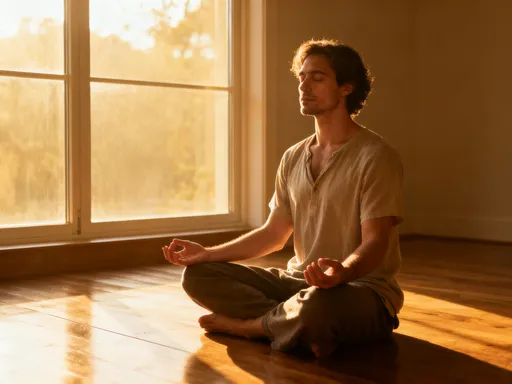
Mindful rest completed the cycle. I set aside 10–15 minutes each afternoon for stillness—no screens, no tasks, just sitting quietly or lying down with eyes closed. This wasn’t napping, but intentional rest. It allowed my nervous system to shift from “on alert” to “repair mode,” lowering stress hormones and creating internal conditions favorable for healing. Over time, this routine didn’t just speed up recovery—it changed how I experienced my body, making me more attuned to its needs and rhythms.
The Role of Daily Habits in Speeding Up Healing
While targeted recovery strategies are essential, long-term healing speed depends on daily lifestyle patterns. These habits operate in the background, either supporting or sabotaging the body’s ability to repair itself. Three factors stand out as particularly influential: stress management, circadian alignment, and consistent nutrition. When these are optimized, recovery becomes not an exception, but a natural rhythm of daily life.
Chronic stress is one of the most underestimated barriers to healing. When the body perceives stress—whether emotional, mental, or physical—it releases cortisol, a hormone designed for short-term survival responses. In small bursts, cortisol is helpful. But when stress is constant, cortisol remains elevated, which suppresses immune function, increases inflammation, and slows tissue repair. Over time, this creates a state where the body is always on high alert, leaving little energy for regeneration. To counter this, I incorporated daily stress-reduction practices: a 10-minute morning walk in nature, a five-minute breathing exercise before lunch, and a digital detox after 8 p.m. These small pauses helped reset my nervous system and create space for healing.
Circadian alignment is equally important. Our bodies operate on a 24-hour biological clock that regulates everything from hormone release to cell repair. When this rhythm is disrupted—by irregular sleep, late-night screen use, or erratic eating patterns—the body’s repair systems become less efficient. I found that by eating meals at consistent times, avoiding heavy food after 7 p.m., and exposing myself to natural light in the morning, I could strengthen my circadian rhythm. This led to deeper sleep, more stable energy, and noticeably faster recovery from minor physical strain.
Nutrition patterns also play a crucial role. Rather than focusing on restrictive diets or supplements, I prioritized consistency and balance. I made sure to include a source of high-quality protein with every meal—such as eggs, Greek yogurt, lentils, or chicken—because protein provides the amino acids needed for tissue repair. I also increased my intake of colorful vegetables and fruits, which are rich in antioxidants that combat oxidative stress, a contributor to both delayed healing and aging. Eating smaller, more frequent meals helped maintain steady blood sugar, preventing energy crashes that can impair recovery. These habits didn’t require perfection—just regularity and awareness.
Movement as Medicine: Gentle Yet Powerful
One of the most empowering discoveries in my recovery journey was the healing power of gentle movement. Contrary to the belief that rest means stillness, research shows that controlled, low-impact activity supports faster healing and long-term vitality. Movement stimulates the lymphatic system, which lacks a pump like the heart and relies on muscle contractions to circulate fluid and remove waste. Without motion, lymph can stagnate, leading to swelling, fatigue, and prolonged inflammation. But even light activity—like walking, stretching, or tai chi—can keep this system flowing.
Gentle movement also maintains muscle mass, which naturally declines with age—a process called sarcopenia. Loss of muscle doesn’t just affect strength; it impacts metabolic rate, balance, and insulin sensitivity. By incorporating bodyweight exercises, resistance bands, and short walks after meals, I preserved muscle function and supported healthy metabolism. These activities were never intense, but they were consistent. Over time, I noticed improved endurance, better posture, and fewer aches after daily tasks.
Flexibility and joint health also benefited from regular motion. I dedicated 10 minutes each morning and evening to stretching, focusing on areas that felt tight—hips, hamstrings, shoulders. I didn’t force any position; instead, I held each stretch gently for 30 seconds, breathing deeply. This practice reduced stiffness, improved circulation to connective tissues, and enhanced overall comfort. I also discovered that movement could improve mood—each session released endorphins, naturally lifting my spirits and reducing stress.
Perhaps most importantly, gentle movement prevented the cycle of inactivity and decline. When we stop moving due to pain or fatigue, we often feel worse—not better. Muscles weaken, joints stiffen, and energy drops. But by staying gently active, even during recovery, I maintained a sense of control and progress. This wasn’t about pushing limits; it was about honoring the body’s need for motion as a fundamental part of healing. Over time, this mindset shifted my relationship with aging—from fear of decline to confidence in resilience.
Mind-Body Signals: Learning to Listen Before It’s Too Late
One of the most valuable skills I developed was learning to read my body’s signals. Fatigue, soreness, mood changes, and even subtle shifts in sleep quality are not nuisances to ignore—they are messages. Early in my journey, I dismissed mild discomfort as normal, only to find it escalating into longer recovery times. But when I began paying attention, I could intervene before small issues became bigger problems. This awareness didn’t come overnight; it grew through daily observation and reflection.
I started a simple journal, noting how I felt each morning: energy level, muscle tightness, mood, and sleep quality. Over time, patterns emerged. I noticed that poor sleep often preceded increased soreness, and that high stress days led to slower recovery. These insights allowed me to adjust my habits proactively—adding extra rest, increasing hydration, or reducing activity before my body forced me to stop. Journaling also helped me distinguish between normal post-activity fatigue and signs of overexertion, giving me confidence in my decisions.
Listening also meant knowing when to seek guidance. While self-awareness is powerful, it doesn’t replace professional care. When an ache persisted beyond a few days or movement felt unstable, I consulted a physical therapist. This wasn’t a sign of failure, but of responsibility. Professional input helped me correct imbalances, improve form, and stay on track without setbacks. It also reinforced that recovery is not a solo journey—it’s supported by knowledge, community, and expert insight.
By tuning in, I cultivated a deeper trust in my body. Instead of fearing aging, I began to see it as a process I could influence. Each signal—whether a stiff joint or a restless night—became an opportunity to respond with care. This shift in mindset transformed recovery from a reactive chore into a proactive practice of self-respect.
Building a Life That Recovers Itself
The ultimate goal isn’t to recover faster from a single injury, but to live in a way that makes recovery seamless and continuous. This means designing a lifestyle where sleep, nutrition, movement, and mental well-being work together in harmony. When these elements align, the body doesn’t need dramatic interventions—it heals naturally, efficiently, and consistently. Aging well, then, isn’t about chasing youth, but about creating conditions where vitality can thrive at any age.
It starts with small, sustainable choices. Going to bed 15 minutes earlier. Drinking water before reaching for coffee. Taking a short walk after dinner. These actions may seem minor, but their cumulative effect is profound. Over time, they build resilience, reduce inflammation, and support cellular health. They also foster a sense of agency—the understanding that we are not passive victims of time, but active participants in our well-being.
This journey taught me that recovery is not the opposite of activity; it is its foundation. Just as a smartphone needs recharging to function, our bodies require regular restoration to perform at their best. And when we prioritize recovery, we do more than heal—we preserve energy, mobility, and clarity. We send a message to our cells that they are valued, supported, and capable of renewal.
Aging will continue, but its pace and quality are not fixed. By embracing smart recovery as a daily practice, we can slow the visible signs of aging, maintain physical function, and enjoy a deeper sense of well-being. You don’t need extreme measures or expensive treatments. You need consistency, awareness, and the courage to rest when needed. Start where you are. Listen to your body. Trust the process. Because when recovery becomes a way of life, youth isn’t something you lose—it’s something you actively maintain.