How Yoga and Mindfulness Changed My Daily Energy — For Real
Ever feel like your body’s running on empty, even after a full night’s sleep? I did — until I combined ancient Chinese wellness principles with yoga and mindfulness. It wasn’t magic, just consistent small shifts. I started noticing clearer thoughts, better digestion, and a calmer mood. This isn’t about extreme routines; it’s about tuning into your body’s natural rhythm and building real health awareness from within. Over time, what began as a personal experiment turned into a sustainable way of living — one that brought steady energy, emotional balance, and a deeper connection to my physical self. This is not a story of overnight transformation, but of gradual, lasting change rooted in tradition, science, and daily practice.
The Wake-Up Call: Recognizing My Energy Drain
For years, I accepted fatigue as part of being a working mother. Mornings began with coffee, afternoons relied on sugar, and evenings ended in exhaustion. I told myself it was normal — that this was just what adulthood looked like. But when I found myself forgetting appointments, snapping at my children over small things, and needing naps just to finish the day, I realized something was wrong. These weren’t just signs of a busy life; they were signals from my body that my energy systems were out of balance.
Traditional Chinese Medicine (TCM) helped me reframe what I had dismissed as stress. In TCM, vitality is not measured by how much you can accomplish, but by the smooth flow of *qi* — the body’s vital energy — through its organ systems. Fatigue, brain fog, irritability, and digestive discomfort are not isolated issues; they are often manifestations of disrupted *qi*, particularly in the spleen, liver, and heart. I learned that chronic tiredness is rarely about sleep alone — it’s about how energy is produced, stored, and circulated.
My spleen *qi*, for example, was weak — a common issue linked to poor digestion, low stamina, and mental fogginess. My liver *qi* was stagnant, likely due to unexpressed emotions and long hours of sitting, contributing to mood swings and tension. These imbalances weren’t diagnosed through blood tests or scans, but through observation and self-awareness — tools TCM has used for centuries. The realization was empowering: my fatigue wasn’t inevitable. It was a signpost, not a life sentence.
Why Yoga? More Than Just Stretching
I first approached yoga with skepticism. I associated it with flexible people in tight clothing, doing poses that looked more like gymnastics than healing. But as I explored its roots, I discovered that yoga was never meant to be a performance. At its core, yoga is a system for harmonizing body, breath, and mind — a practice that shares surprising parallels with TCM’s understanding of energy flow.
Both traditions recognize that physical tension blocks energy. In yoga, these blockages are often described as tightness in the hips, shoulders, or spine; in TCM, they correspond to stagnation in specific meridians — energy pathways linked to organs. For instance, tight hips can reflect stagnation in the liver meridian, which governs emotional regulation and detoxification. When I began practicing gentle hip openers like pigeon pose and seated forward bends, I didn’t just feel more flexible — I noticed my mood lifting and my patience returning.
I experimented with different styles, eventually settling on a blend of Hatha and Yin yoga. Hatha offered structure and breath coordination, helping me build strength and awareness. Yin, with its long-held, passive poses, allowed deeper release in connective tissues and joints — areas often neglected in Western exercise. More importantly, both styles emphasized stillness and introspection, teaching me to observe sensations without reacting. This quiet attention became a bridge between physical movement and emotional clarity.
Breath was the missing link. I learned that shallow chest breathing — common in stressed individuals — keeps the nervous system in a state of low-grade alert. Deep diaphragmatic breathing, practiced in yoga as *ujjayi* or in TCM as abdominal breathing, activates the parasympathetic nervous system, signaling the body to rest and digest. By syncing movement with breath, I wasn’t just stretching muscles; I was retraining my nervous system to support energy renewal rather than constant depletion.
Mindfulness Meets Chinese Wisdom: Calming the Shen
In Traditional Chinese Medicine, emotional well-being is inseparable from physical health. Each organ is linked not only to a physical function but also to an aspect of the spirit. The heart, for example, houses the *shen* — often translated as the mind or spirit. When the *shen* is unsettled, symptoms include insomnia, anxiety, poor concentration, and emotional volatility. My racing thoughts and midday mental crashes weren’t just signs of overload; they were indications that my *shen* was agitated.
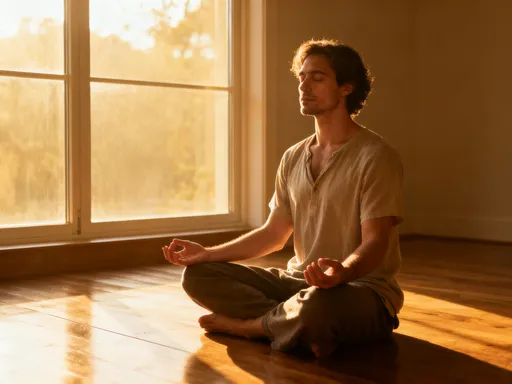
Mindfulness offered a way to calm this inner turbulence. Unlike meditation apps that promise instant results, I started with simple, consistent practices rooted in presence. Each morning, before checking my phone, I sat quietly for five minutes, focusing on my breath. When thoughts arose — and they always did — I acknowledged them without judgment and returned to the breath. This wasn’t about emptying the mind, but about creating space between stimulus and reaction.
Over time, I began to notice patterns. I saw how certain foods made my mind feel heavy, how unresolved conversations lingered in my body as tension, and how skipping rest led to emotional reactivity. Mindfulness helped me recognize these connections not as failures, but as information. In TCM, the liver is said to “store the blood and house the魂 (hun),” the ethereal soul related to dreams and planning. When liver *qi* is stagnant, the *hun* becomes restless, leading to irritability and difficulty sleeping. My mindfulness practice, combined with gentle liver-supportive yoga poses like seated twists and side bends, helped restore a sense of emotional stability.
One of the most profound shifts was learning to slow down. In a culture that values speed and productivity, stillness can feel like laziness. But in both mindfulness and TCM, stillness is a form of nourishment. Just as the body repairs itself during sleep, the *shen* calms when given quiet. I stopped seeing these moments of pause as lost time and began to view them as essential maintenance — like oiling the gears of a machine so it doesn’t overheat.
Daily Routines That Actually Work
Transformation didn’t come from hour-long yoga sessions or hour-long meditations. It came from small, consistent habits woven into my daily rhythm. I designed a morning and evening routine that took no more than 15 minutes each, inspired by both yoga traditions and TCM principles like the daily flow of *qi* through meridians.
Each morning, I began with three minutes of deep breathing in bed — inhaling through the nose, expanding the belly, and exhaling slowly. This simple act signaled to my nervous system that the day would not begin in panic. Then, I moved into a short sequence: cat-cow to awaken the spine, child’s pose to ground myself, and a gentle forward fold to release tension in the back and hamstrings. I ended with two minutes of seated stillness, setting an intention for the day — not a to-do list, but a quality I wanted to cultivate, like patience or presence.
In the evening, I shifted to more restorative practices. After dinner, I avoided screens and instead practiced a five-minute breathwork exercise: inhaling for four counts, holding for four, exhaling for six, and pausing for two. This extended exhale activates the vagus nerve, promoting relaxation. Then, I did a few Yin yoga poses — supported bridge, reclining bound angle, and legs-up-the-wall — each held for three to five minutes. These poses gently stimulate the kidneys, bladder, and heart meridians, all of which are active during the night according to TCM’s organ clock.
I also incorporated self-massage, a practice common in both Ayurveda and TCM. Using my fingertips, I gently rubbed the soles of my feet, focusing on the kidney point located in the center of the arch. In TCM, the kidneys are considered the “root of life,” storing *jing* — the essence that supports long-term vitality. Massaging this point before bed became a ritual of self-care that improved my sleep quality and reduced nighttime awakenings.
Listening to Your Body: The Core of Health Awareness
One of the most empowering changes was learning to listen — truly listen — to my body. Instead of pushing through headaches, tight shoulders, or digestive discomfort, I began to see these sensations as messages. In TCM, diagnosis begins with observation: the color of the tongue, the quality of the pulse, the tone of the voice. While I’m not a practitioner, I learned to use basic self-checks to tune in.
Every few days, I would look at my tongue in the mirror. A pale tongue might suggest spleen *qi* deficiency; a red tip could indicate heart fire or emotional stress; a thick coating might point to dampness or poor digestion. These weren’t diagnoses, but clues — invitations to reflect on my habits. If my tongue looked swollen with tooth marks, I’d ask: Have I been eating too many cold or raw foods? Am I carrying unresolved stress?
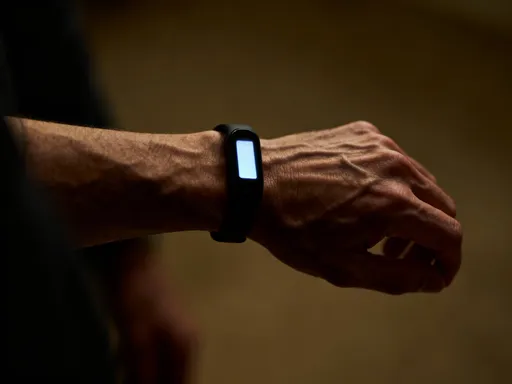
I also began checking my pulse — not with medical precision, but with awareness. Placing two fingers on my wrist, I noticed whether my pulse felt rapid, slow, thin, or strong. A rapid pulse in the evening might mean my *shen* was still active when it should be settling. A weak pulse could suggest fatigue or poor nutrient absorption. These observations weren’t about fixing anything immediately, but about building a relationship with my body’s rhythms.
This kind of awareness transformed my approach to wellness. Instead of waiting for symptoms to become severe, I could make small adjustments early. If I felt tension in my shoulders, I’d do a few neck rolls and shoulder stretches, knowing this could prevent a headache. If I noticed irritability, I’d pause for three deep breaths, recognizing it as a sign of liver *qi* stagnation. Over time, this practice reduced my reliance on external fixes and deepened my sense of agency.
Common Mistakes (And How I Fixed Mine)
I didn’t get it right the first time. Like many beginners, I approached yoga and mindfulness with a perfectionist mindset. I thought I needed to hold poses perfectly, meditate for 20 minutes without distraction, and transform my entire life overnight. Unsurprisingly, I burned out quickly. My shoulders ached from overstretching, my mind felt more scattered from forced meditation, and I felt guilty when I missed a day.
The turning point came when I shifted from achievement to awareness. I stopped measuring success by how long I sat still or how deep I could fold. Instead, I focused on consistency and kindness. I learned that even one minute of mindful breathing counts. I discovered that resting in child’s pose is just as valuable as holding a challenging posture. I let go of the idea that wellness required intensity.
Another mistake was separating practice from daily life. I thought mindfulness only “counted” during formal meditation. But true integration happens when awareness extends to everyday moments — washing dishes, walking to the car, waiting in line. I began practicing mindfulness during routine tasks: feeling the warmth of water on my hands, noticing the rhythm of my steps, observing my breath while stirring soup. These micro-moments of presence became just as nourishing as longer sessions.
I also overlooked the role of diet. No amount of yoga could compensate for a pattern of cold, processed foods that weakened my spleen *qi*. I gradually introduced warming, cooked meals — soups, stews, and steamed vegetables — aligned with TCM’s emphasis on digestive health as the foundation of energy. I reduced iced drinks, which are believed to slow digestion, and started my day with warm lemon water to support liver function. These changes, combined with movement and mindfulness, created a synergistic effect.
Building a Sustainable Wellness Lifestyle
Today, my wellness practice is no longer a separate activity — it’s woven into the fabric of my life. I don’t strive for perfection. Some days, I skip yoga. Some evenings, I watch TV instead of meditating. But the foundation remains. I’ve built resilience — not just physical, but emotional and mental. I get sick less often. I recover faster. I feel more present with my family, more patient in traffic, more grateful for quiet mornings.
The combination of yoga, mindfulness, and TCM awareness has given me a language for understanding my body. I no longer see fatigue as a personal failing, but as a signal to rest. I don’t suppress emotions, but allow them space to move through me. I’ve learned that health is not a destination, but a continuous conversation — a daily act of listening, responding, and adjusting.
What makes this approach sustainable is its flexibility. It doesn’t require expensive equipment, special clothing, or hours of free time. It asks only for attention — for showing up, again and again, with curiosity and care. It honors the body’s innate wisdom, recognizing that true vitality comes not from pushing harder, but from aligning with natural rhythms.
For women in their 30s, 40s, and 50s — navigating careers, parenting, aging, and changing hormones — this kind of holistic awareness is not a luxury. It’s a necessity. The demands of modern life can easily deplete energy and dull intuition. But by integrating gentle movement, mindful breathing, and body awareness, we can reclaim our vitality on our own terms.
This journey has taught me that lasting energy isn’t found in caffeine, hustle, or quick fixes. It’s cultivated through daily acts of presence — a deep breath, a moment of stillness, a kind word to oneself. It’s about honoring the body as a living system, not a machine to be driven. And it’s about remembering that healing is not dramatic — it’s quiet, consistent, and deeply personal.
True health awareness starts with listening — not chasing fixes, but understanding your body’s language. By blending yoga, mindfulness, and Chinese wisdom, I rebuilt my energy from the inside out. This approach isn’t flashy, but it’s effective, balanced, and deeply personal. You don’t need dramatic changes. Start small, stay consistent, and let your body guide the way.